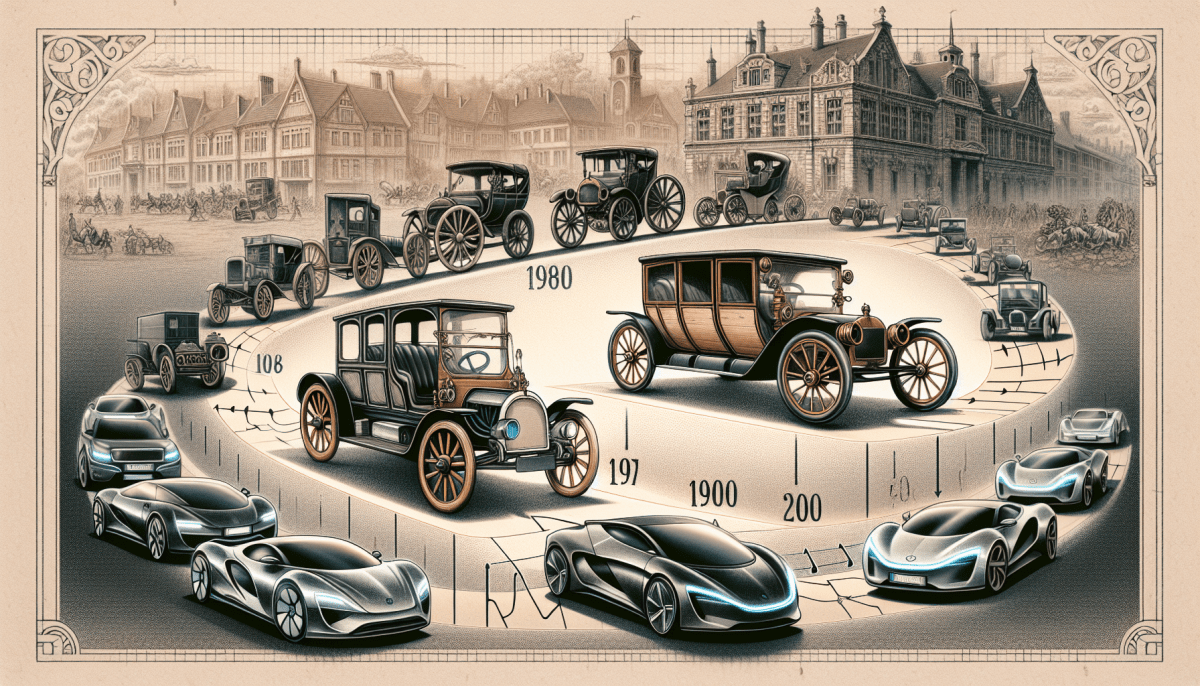
The journey of electric vehicles (EVs) began long before the modern era of technology. In the early 19th century, inventors started experimenting with electricity as a means of powering vehicles. In 1800, Italian scientist Alessandro Volta created the first true battery, known as the voltaic pile. This invention laid the groundwork for future electric batteries and sparked interest in developing electric transportation.
By the 1830s, Scottish inventor Robert Anderson built the first crude electric carriage. This vehicle utilized a non-rechargeable battery and was quite heavy, limiting its efficiency and practicality. Nevertheless, it captured the imagination of many and highlighted the potential of electric propulsion. Around the same time, in 1834, another inventor named Thomas Davenport constructed a small electric motor, which he attached to a cart. This marked one of the earliest successful attempts at powering a vehicle with electricity.
As technology advanced, so too did electric vehicles. By the late 1800s, several inventors and entrepreneurs began manufacturing electric taxis and carriages. One notable figure was Gustave Trouvé, who, in 1881, showcased an electric tricycle at the International Exhibition of Electricity in Paris. This innovative vehicle featured a rechargeable battery, ushering in a new era of electric transportation. Meanwhile, in the United States, innovators like Charles Kettering were experimenting with improving battery technology to make electric vehicles more viable for everyday use.
During this exciting period, electric vehicles gained popularity, especially in urban settings. In the early 1900s, electric taxis roamed the streets of New York City, offering a quieter and cleaner alternative to their gas-powered counterparts. It's fascinating to see how early innovations in electric vehicles laid the foundation for the future, inspiring generations of inventors to refine and revolutionize this technology.
The Rise of Modern Electric Cars
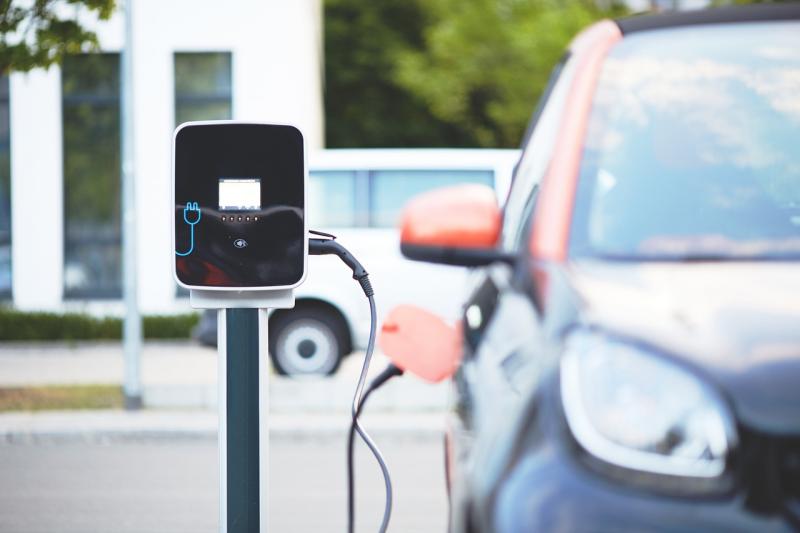
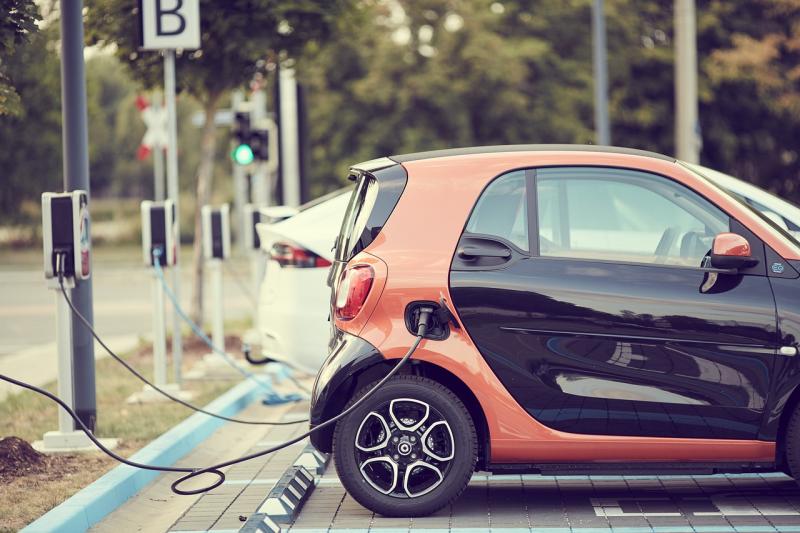
One major factor contributing to the rise of electric cars is the significant improvement in battery technology. Earlier electric vehicles struggled with limited range and long charging times, often making them impractical for many drivers. Today, however, cutting-edge batteries can provide ranges that rival traditional gasoline-powered cars, with many models achieving over 300 miles on a single charge. Fast-charging stations are also becoming more widespread, allowing drivers to recharge their vehicles in as little as 30 minutes.
Moreover, the global push for sustainability and the reduction of fossil fuel dependency have propelled electric vehicles to the forefront of the automotive market. Governments around the world are implementing policies and incentives to encourage EV adoption. From tax credits to rebates and even initiatives to phase out gasoline vehicles, these measures have made electric cars more affordable and attractive to consumers.
In addition to technological advancements and government support, the automotive industry itself has shifted towards electric mobility. Major manufacturers are investing billions into electric vehicle research and development, with new models being introduced regularly. From luxury brands to affordable compact cars, there is now an electric option for nearly every type of driver. As electric vehicles continue to evolve, they are not just replacing traditional cars but also reshaping the future of transportation.
Key Milestones in EV History
The journey of electric vehicles (EVs) has been long and fascinating, with several key milestones marking their evolution. The story begins in the early 19th century when inventors like Ányos Jedlik and Thomas Parker created some of the first electric vehicles. In 1832, Jedlik built a small-scale model vehicle powered by a simple electric motor, paving the way for future advancements.
By the late 1800s, EVs began to gain real traction. In 1890, William Morrison introduced the first successful electric carriage in the United States. This vehicle could carry several passengers and featured a speed of about 14 miles per hour. Around the same time, electric taxis started to operate in London, showcasing the practicality of electric transportation.
The early 20th century saw a peak in electric vehicle popularity when almost a third of all vehicles on the road were electric. However, this was short-lived as gasoline-powered cars, particularly the Model T, became more mainstream due to lower costs and greater range. The emergence of internal combustion engines overshadowed EVs, leading to their decline.
Fast forward to the late 20th century, and electric vehicles began to reclaim their place in the automotive landscape. In 1996, General Motors launched the EV1, the first modern electric car offered to the public. While the model had a short lifecycle, it sparked renewed interest in electric vehicles and brought attention to the environmental benefits of going electric.
The modern EV revolution truly took off in the 21st century with the introduction of the Tesla Roadster in 2008. This vehicle demonstrated that electric cars could be fast, stylish, and desirable. Following this, numerous automakers joined the movement, leading to a diverse market filled with electric vehicles that cater to various consumer preferences, while charging infrastructure continues to grow and evolve.
Future Trends in Electric Mobility
As we look to the future, electric mobility is set to undergo significant transformations. One of the most promising trends is the rapid advancement of battery technology. Companies are investing heavily in research to develop batteries that not only offer longer ranges but also shorter charging times. Solid-state batteries, for instance, are emerging as a game-changer, boasting higher energy densities and enhanced safety features compared to their lithium-ion counterparts.
Another exciting trend is the integration of electric vehicles (EVs) with renewable energy sources. Solar panels on rooftops, coupled with home charging stations, allow EV owners to charge their vehicles using clean energy. As solar technology becomes more efficient and affordable, this synergy will contribute to a greener future. Moreover, some EV manufacturers are exploring vehicle-to-grid (V2G) technology, enabling cars to discharge energy back into the grid, which can help balance energy supply and demand.
Urban environments are also adapting to electric mobility through the creation of smart city infrastructures. Cities worldwide are rolling out extensive charging networks, including fast-charging stations in convenient locations. This development encourages more people to make the switch to electric vehicles. Moreover, autonomous electric vehicles are on the horizon, promising to reshape the way we commute, reduce traffic congestion, and enhance road safety.
Finally, the concept of shared electric mobility is gaining traction. Car-sharing and ride-hailing services are increasingly opting for electric fleets, making EV access more versatile while reducing the number of cars on the road. As public awareness of sustainability grows, consumers are likely to embrace these shared solutions, contributing to a cleaner and more efficient transportation ecosystem.